Breeze Airways Targets 2027 IPO Following Financial Growth

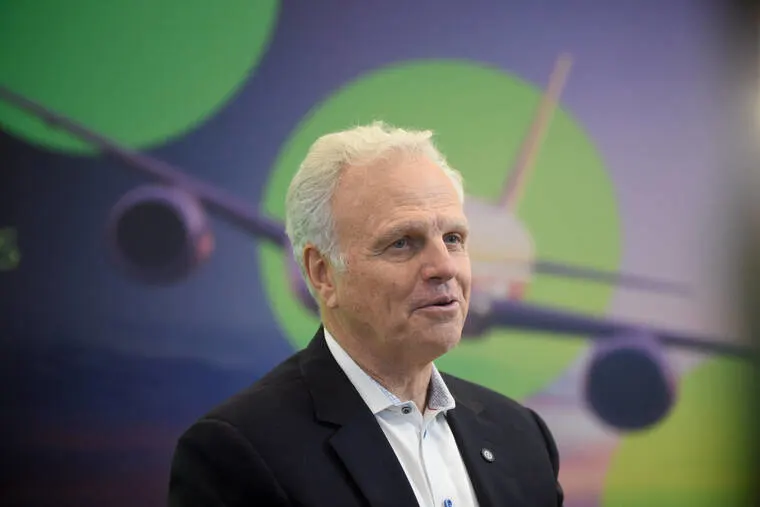
Breeze Airways CEO David Neeleman confirmed a target of 2027 for an initial public offering as the carrier continues to build financial stability.
Key Takeaways
- •Breeze Airways is targeting an initial public offering in 2027.
- •The airline reported over $200 million in revenue in Q4 2024.
- •Breeze operates over 50 aircraft with 120 Airbus A220s on order.
- •87% of Breeze's routes have no direct nonstop competition.
Breeze Airways IPO 2027 Strategy
Breeze Airways is positioning itself for an initial public offering in 2027, according to CEO David Neeleman. Speaking at the IATA (International Air Transport Association) annual summit in Rio de Janeiro, Neeleman stated that while the carrier is building toward a public debut, the final timeline remains dependent on broader equity market conditions. Since commencing operations in May 2021, the airline has focused on a low-cost carrier expansion strategy, specifically targeting underserved, mid-sized U.S. cities with point-to-point service.
Financial Stability and Growth
The carrier’s path to the public markets is supported by improving financial performance. Breeze reported its first full quarter of operating profit in Q4 2024, generating over $200 million in revenue. Neeleman noted that the company currently does not require additional capital, providing the executive team with the flexibility to wait for optimal market conditions before pursuing an IPO. This approach contrasts with the rapid, debt-fueled expansion seen in some earlier industry cycles, as the airline leverages its current liquidity to manage its growth.
The Point-to-Point Airline Model
Breeze’s business strategy relies on a point-to-point airline model that avoids traditional, congested legacy hubs. Approximately 87% of the airline's routes currently face no direct nonstop competition, allowing it to capture significant market share in secondary markets. As part of its low-cost carrier expansion, the airline operates a fleet of over 50 aircraft and maintains a substantial order book of up to 120 Airbus A220 aircraft. This fleet composition is critical to its strategy of maximizing utilization on both domestic and international routes.
International Expansion and Regulatory Milestones
International service has become a central component of Breeze’s business model. Following the acquisition of its U.S. flag carrier certification from the FAA (Federal Aviation Administration) in late 2025, the airline has launched routes to Mexico, Costa Rica, and the Dominican Republic. The carrier is utilizing an efficient scheduling model, flying international routes on Wednesdays and Saturdays to maximize aircraft utilization during off-peak domestic days. While initial plans included Jamaica, hurricane-related damage forced a temporary delay in that market.
Technical Analysis of Market Positioning
Neeleman, a veteran of the industry who previously founded JetBlue and Azul, maintains a cautiously optimistic outlook regarding the current state of aviation. While geopolitical instability and fluctuating jet fuel prices present ongoing challenges, the industry environment remains significantly more stable than during the pandemic period. The carrier’s decision to delay its public debut aligns with recent industry trends where airlines are prioritizing sustained profitability over rapid market entry. Historical precedents, such as the Sun Country Airlines and Frontier Airlines IPOs in 2021, suggest that leisure-focused carriers can successfully transition to public markets when they demonstrate clear financial discipline and niche market dominance.
What Comes Next: The 2027 IPO Timeline
Looking ahead, Breeze is focused on operational scaling. The airline is expected to launch service to San Jose, Costa Rica, in October 2026, with plans to resume its Montego Bay, Jamaica, route later in the year. The 2027 IPO target remains the primary financial milestone, subject to the approval of the SEC (U.S. Securities and Exchange Commission) and favorable equity market conditions. For the Airbus A220 program, the successful execution of this IPO is vital, as it would secure the long-term capital structure necessary to fund the delivery of the remaining aircraft in Breeze’s order book.
Why This Matters for the Industry
For mid-sized U.S. airports, Breeze’s expansion represents a significant opportunity to increase international connectivity without relying on legacy hub-and-spoke networks. While some analysts argue that the airline will eventually require significant public capital to sustain its aggressive growth, the carrier’s current strategy demonstrates a disciplined approach to fleet and route management. For passengers and stakeholders, the 2027 IPO target signals a maturing phase for the airline as it transitions from a startup to a publicly traded, national competitor.
Frequently Asked Questions
- What is the timeline for the Breeze Airways IPO?
- Breeze Airways is targeting an initial public offering for 2027, though CEO David Neeleman noted that this timeline is contingent upon favorable equity market conditions and industry stability.
- How does Breeze Airways differentiate its international route strategy?
- Breeze utilizes an efficient scheduling model that flies international routes on Wednesdays and Saturdays, which are typically off-peak days for domestic travel. This strategy helps the airline maximize aircraft utilization while connecting underserved U.S. cities to international leisure destinations.
Visit omniflights.com for the latest commercial aviation news and airline industry updates. From aircraft production to supply chains, commercial aviation manufacturing news is covered at omniflights.com/manufacturing.

Written by Hardik Vishwakarma
Co-Founder & Aviation News Editor leading initiatives that improve trust and visibility across the global aviation industry. Covers airlines, airports, safety, and emerging technology.
Visit ProfileYou Might Also Like

Dubai Aerospace Enterprise Completes United Airlines Lease

RTX Reports Record $340B Backlog and Strong Q3 2026 Growth
Boeing 737 MAX Litigation Nears Resolution in Chicago
Qatar Airways Enters Japanese JOLCO Financing Market
United Nigeria Airlines Plans N20bn Commercial Paper Debt