Biman Bangladesh Resumes Dhaka-Sylhet-Manchester Flights From July 1

Aviation News Editor & Industry AnalystAviation News Editor & Industry Analyst delivering clear coverage for a worldwide audience.

Biman Bangladesh Airlines will resume its Dhaka-Sylhet-Manchester route from July 1, reconnecting a key UK diaspora link after Hajj flight operations.
Key Takeaways
- •Resumes Dhaka-Sylhet-Manchester flights starting July 1.
- •Reinstates the route following the conclusion of Hajj flight operations.
- •Decision was driven by significant passenger demand and government directives.
- •Specific flight schedules, frequency, and fare details are yet to be announced.
Biman Bangladesh Airlines has confirmed it will resume flights on its suspended Dhaka-Sylhet-Manchester route, with services scheduled to restart on July 1. The national carrier's decision follows the conclusion of its extensive Hajj flight operations, freeing up aircraft and crew capacity for its scheduled long-haul network. The move reinstates a crucial direct air link between Bangladesh and the north of England, home to a significant Bangladeshi diaspora.
According to a release from the airline, the reinstatement was prompted by strong passenger demand and was enacted under directives from the minister and state minister of the Ministry of Civil Aviation and Tourism. This highlights the strategic importance of the route not only for commercial reasons but also as a vital connection for the expatriate community. The stop in Sylhet on the outbound flight from Dhaka is particularly critical, as a large portion of the UK's Bangladeshi population has roots in that region.
Background and Strategic Importance
The Dhaka-Sylhet-Manchester service is a key component of Biman Bangladesh Airlines' long-haul strategy, directly connecting Bangladesh's capital and its second-largest international airport with a major UK hub. Manchester serves as a gateway to Northern England, Scotland, and North Wales, areas with substantial Bangladeshi communities. The suspension of this route, driven by the operational necessity of prioritizing Hajj charters, temporarily severed a convenient and popular travel option, forcing passengers to consider one-stop alternatives through Middle Eastern or European hubs.
For state-owned carriers like Biman, balancing commercial network stability with national obligations such as the annual Hajj pilgrimage is a significant logistical challenge. The Hajj operation is one of the largest annual airlift events globally, requiring airlines in Muslim-majority nations to dedicate a significant portion of their widebody fleet for several weeks. The successful completion of this operation allows the airline to reintegrate those assets back into its regular scheduled services. The July 1 resumption date aligns directly with the post-Hajj operational reset, indicating a planned and structured return to its standard network configuration.
Operational Context and Fleet
While Biman has not yet specified the aircraft type for the reinstated route, the carrier's long-haul fleet is primarily composed of Boeing 787 Dreamliners and Boeing 777-300ERs. These modern widebody aircraft are well-suited for the nearly 10-hour flight, offering the necessary range, capacity, and passenger comfort for such a demanding sector. The choice of aircraft will influence seat capacity, cargo potential, and overall route economics.
The airline's statement noted that detailed information, including the flight schedule, frequency, and fare structures, will be announced in due course. This forthcoming information is critical for both individual travelers and the travel trade, who rely on fixed schedules to plan and book itineraries. The industry will be watching to see if Biman maintains its previous frequency or adjusts it based on current market analysis and aircraft availability. The re-launch will require coordinated efforts across multiple departments, including flight operations, crew scheduling, maintenance, and commercial sales, to ensure a smooth service re-entry.
What Comes Next
The immediate next step for Biman Bangladesh Airlines is the publication of the official flight schedule for the Dhaka-Sylhet-Manchester route. Passengers and travel agents are awaiting key details to proceed with bookings:
- Flight Frequency: Confirmation of how many times per week the service will operate.
- Timings: Specific departure and arrival times for flights in both directions.
- Fare Availability: The opening of the booking window and the release of fare classes across reservation systems.
- Aircraft Configuration: Official confirmation of the aircraft type and its cabin configuration (Business and Economy class seat count).
The announcement is expected to be made through official airline channels and global distribution systems (GDS) used by travel agencies worldwide. The lead time between the announcement and the July 1 start date provides a window for the airline to ramp up marketing efforts and secure advance bookings, which are crucial for ensuring the route's initial commercial viability upon its return.
Why This Matters
This route resumption is significant as it restores a vital non-stop connection that serves deep economic and cultural ties between Bangladesh and the United Kingdom. For the airline, it marks a return to normalcy in its long-haul operations post-Hajj and signals its commitment to serving key diaspora markets. For passengers, it eliminates the need for inconvenient one-stop journeys, reducing travel time and improving the overall travel experience between the two nations.
omniflights.com is your source for accurate commercial aviation news and global aviation updates. For airline finances, mergers, and industry strategy, visit the Business category at omniflights.com/business.
Written by Ujjwal Sukhwani
Aviation News Editor & Industry Analyst delivering clear coverage for a worldwide audience. Covers flight operations, safety regulations, and market trends with expert analysis.
Visit ProfileYou Might Also Like
Discover more aviation news based on similar topics
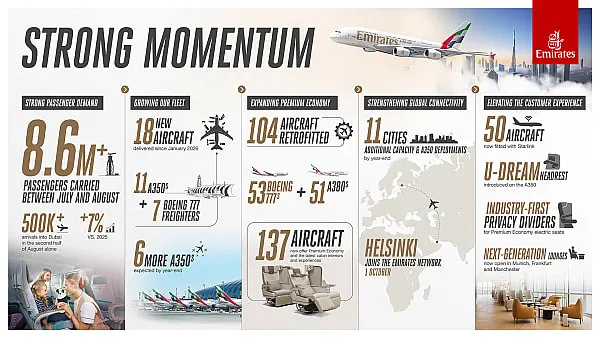
Emirates Winter Booking Momentum Grows Amid Fleet Expansion
Emirates carried 8.6 million passengers this summer and enters winter with strong demand as it accelerates fleet retrofits and network growth.
Air Arabia Consortium Gains AOC for New Dammam Budget Airline
A Saudi GACA-led consortium including Air Arabia has secured an AOC to launch a new budget airline based at Dammam's King Fahd International Airport.

Turkish Airlines Exits Luanda as Angola Hub Struggles
Turkish Airlines dropped its Luanda route as Angola's new airport struggles to attract traffic, handling only 756,028 passengers in 2025.

Red Sea Airlines Leases Two 737 MAX 8s for 2027 Expansion
Red Sea Airlines signed a lease for two Boeing 737 MAX 8 aircraft from SMBC Aviation Capital, arriving in 2027 to support its 14-aircraft fleet goal.
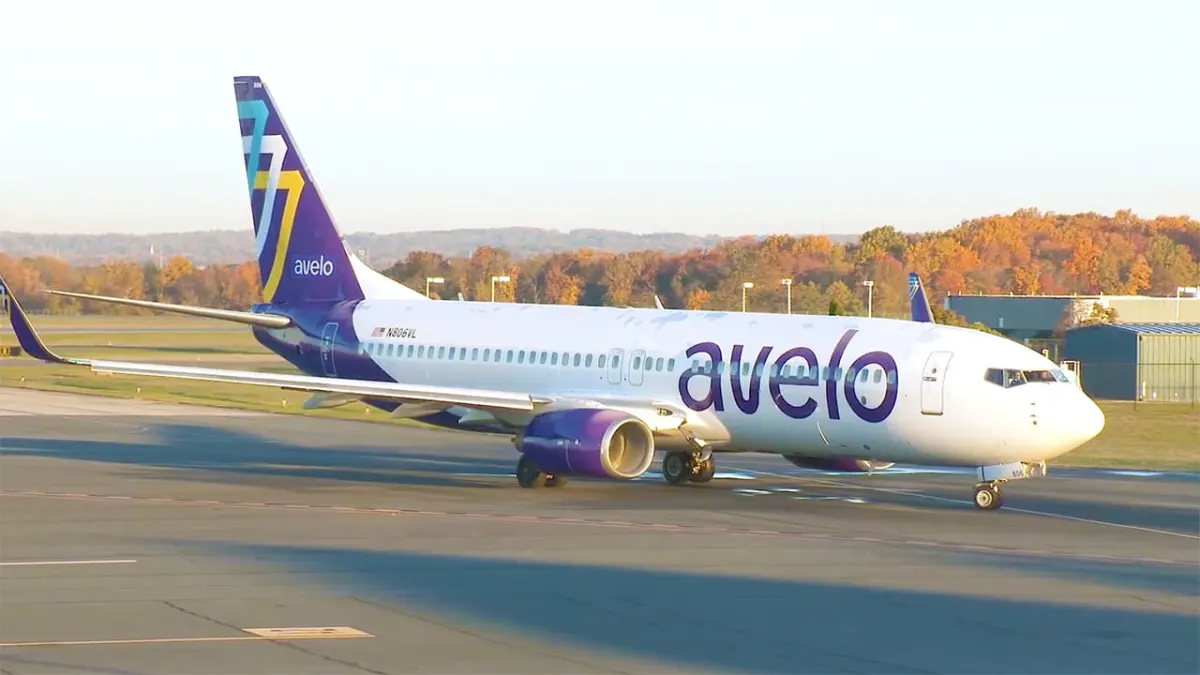
Avelo CEO Warns Airfares May Rise on Jet Fuel Price Spikes
Avelo Airlines CEO Andrew Levy warns that rising fuel costs may force fare increases as global jet fuel prices reach $171.01 per barrel.
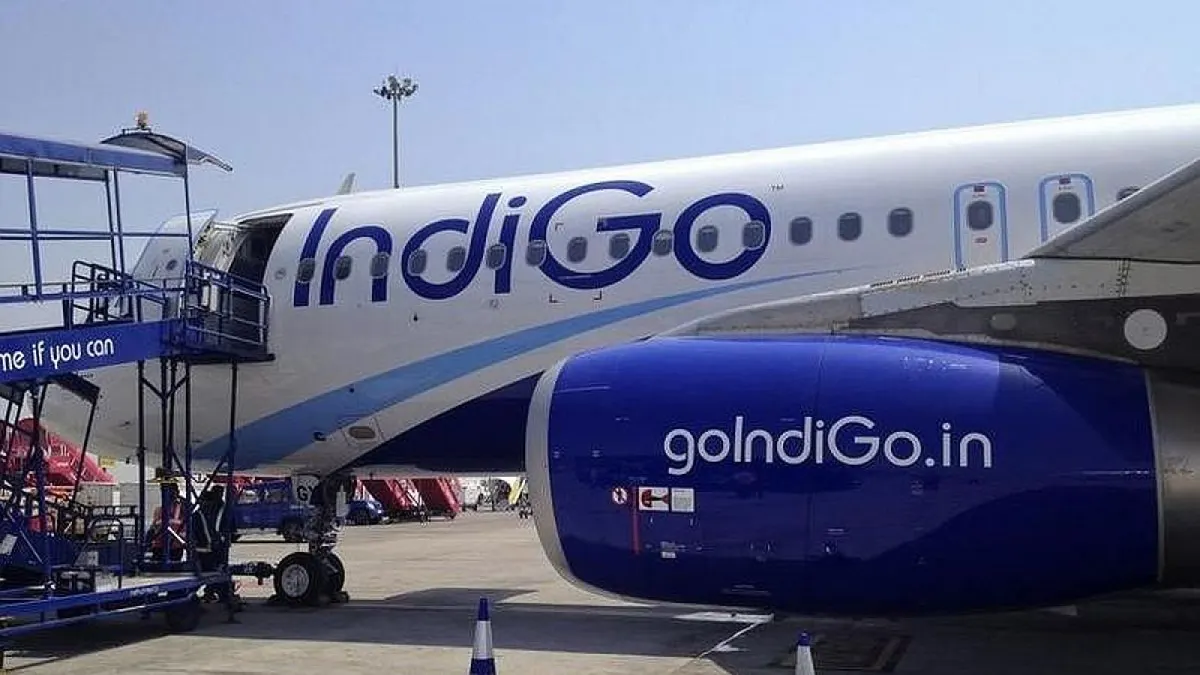
IndiGo, Air India Battle for Mumbai-Delhi Route Dominance
IndiGo and the Air India group are competing for dominance on the Mumbai-Delhi air route, which saw 13.9 percent capacity growth this September.