Axens and Airbus Sign MoU to Accelerate SAF Production Development

Aviation News Editor & Industry AnalystAviation News Editor & Industry Analyst delivering clear coverage for a worldwide audience.

Axens and Airbus signed an MoU to accelerate Sustainable Aviation Fuel development, aiming to scale production pathways and meet future regulatory mandates.
Key Takeaways
- •Partners to accelerate development of Sustainable Aviation Fuel (SAF) production pathways.
- •Supports Airbus's target for 100% SAF-capable aircraft by 2030.
- •Aims to meet increasing ReFuelEU mandates, requiring 70% SAF blends by 2050.
- •Focuses on technical collaboration to speed up SAF commercialization and availability.
Technology provider Axens and aircraft manufacturer Airbus have signed a Memorandum of Understanding (MoU) to accelerate the development and large-scale deployment of Sustainable Aviation Fuel (SAF). The partnership will focus on the technical and commercial challenges of various SAF production pathways, a critical step toward meeting increasingly stringent environmental regulations.
The collaboration aims to expedite the availability of SAF, directly supporting the aviation industry's goal of achieving net-zero carbon emissions by 2050. By combining Airbus's expertise in aircraft design and fuel certification with Axens' proficiency in renewable fuels technologies, the agreement addresses the primary bottleneck for widespread SAF adoption: scalable and economically viable production. The partnership will involve detailed technical analysis of different SAF technologies, assessments of regional production capabilities, and joint advocacy for policies that support market growth.
In a statement, Axens highlighted the collaborative intent, noting, "By combining complementary expertise, engaging with the broader ecosystem, and exploring innovative forms of collaboration, both companies intend to contribute meaningfully to the rapid emergence of a robust and sustainable SAF market."
Regulatory and Industry Context
This partnership is strategically timed to align with aggressive regulatory targets and internal corporate goals. The European Union's ReFuelEU Aviation Regulation (EU) 2023/2405 creates a powerful demand signal for SAF. According to the regulation, aviation fuel suppliers at EU airports must blend a minimum of 2% SAF starting in 2025, with the mandate escalating to 6% by 2030 and 70% by 2050. Meeting these targets requires a massive scale-up of SAF production infrastructure.
Concurrently, Airbus is pursuing its own ambitious sustainability targets. According to the company's official sustainability reports, Airbus aims for all its commercial aircraft and helicopters to be capable of flying with 100% unblended SAF by 2030. Currently, all Airbus aircraft are certified to operate on a maximum 50% blend of SAF with conventional jet fuel. The technical collaboration with Axens is essential for developing the data and standards needed to achieve full 100% certification under specifications like ASTM D7566, which governs synthesized hydrocarbon fuels.
According to the International Civil Aviation Organization (ICAO), SAF has the potential to reduce lifecycle CO2 emissions by up to 80% compared to conventional jet fuel, making it the most significant tool for decarbonizing air travel in the near-to-medium term.
Strategic Precedents and Market Impact
The MoU with Axens is consistent with Airbus's established strategy of forming cross-sector partnerships to secure the future SAF supply chain. This follows historical precedents, including a 2016 partnership with TotalEnergies, which was expanded in 2024 and now supplies over half of Airbus's SAF needs in Europe. In 2022, Airbus formed a $200 million joint venture with Qantas to develop the SAF industry in Australia. These actions demonstrate a pattern of proactive engagement by the OEM to de-risk fuel availability for its airline customers.
The agreement is expected to have a high impact on SAF producers and refiners, providing increased technical validation for advanced production methods and stimulating market demand. For commercial airlines operating in the EU, the partnership improves the long-term outlook for accessing scalable SAF supplies, which is critical for complying with ReFuelEU mandates and avoiding potential non-compliance penalties.
Technical Comparison: SAF vs. Conventional Jet Fuel
| Metric | Sustainable Aviation Fuel (SAF) | Conventional Jet Fuel (Jet A-1) |
|---|---|---|
| Lifecycle CO2 Emissions | Up to 80% reduction | Baseline |
| Current Certified Blend Limit | 50% | 100% |
| Feedstock | Renewable/waste-based | Fossil petroleum |
Technical Analysis
This development indicates a strategic shift in the aerospace industry, where major OEMs are moving beyond their traditional manufacturing roles to become active architects of the future fuel ecosystem. The Axens-Airbus MoU is not merely a supply agreement but a foundational collaboration aimed at solving technical and economic hurdles at the earliest stages of the value chain. By partnering directly with a technology licensor like Axens, Airbus can influence the development of SAF pathways that are most compatible with its future aircraft designs and certification requirements. This proactive approach mitigates the significant risk that SAF production will fail to scale quickly enough to meet both regulatory mandates and the operational needs of airlines flying next-generation, 100% SAF-capable aircraft. The pattern, established with partners like TotalEnergies and Qantas, suggests Airbus views securing a robust, global SAF market as a core business imperative, on par with aircraft development itself.
What Comes Next
The partnership will now move into a phase of technical evaluation of specific production pathways. Looking ahead, the aviation industry faces several key milestones related to this initiative. Airbus is expected to achieve certification for its aircraft to fly on 100% SAF by its target date of 2030. In the same year, the European Union's ReFuelEU mandate is confirmed to increase the required SAF blend to 6%, further intensifying the need for the scalable solutions this partnership aims to create.
Why This Matters
This agreement between a leading aircraft manufacturer and a key technology firm signals a more integrated and aggressive approach to solving the aviation industry's greatest challenge: decarbonization. It directly addresses the critical bottleneck of SAF supply by focusing on the technical foundations needed for a scalable global market. For airlines, it provides greater confidence in the future availability of mandated fuels, while for the broader industry, it represents a crucial step in aligning the entire value chain—from technology development to aircraft operation—behind the goal of sustainable flight.
Stay ahead of the airline industry with commercial aviation news from omniflights.com. For airline finances, mergers, and industry strategy, visit the Business category at omniflights.com/business.
Written by Ujjwal Sukhwani
Aviation News Editor & Industry Analyst delivering clear coverage for a worldwide audience. Covers flight operations, safety regulations, and market trends with expert analysis.
Visit ProfileYou Might Also Like
Discover more aviation news based on similar topics

American Airlines Flies First U.S. eSAF Passenger Flight
American Airlines completed the first U.S. commercial flight using Infinium eSAF, a synthetic fuel that reduces lifecycle emissions by over 90%.
Akasa Air Partners with BPCL to Advance SAF in India
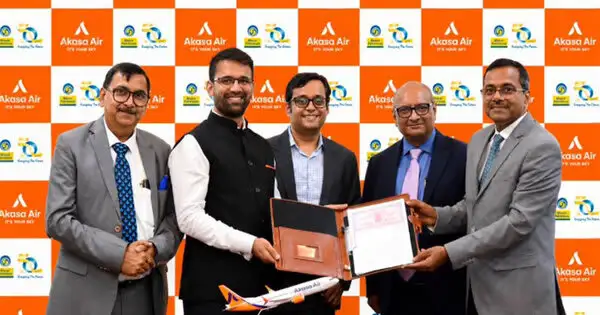
Akasa Air signed an MoU with BPCL to establish a SAF supply framework ahead of India's expected 1% blending mandate by 2027.

Delta, Shell Aviation Ink 5-Year SAF Supply Agreement
Delta Air Lines and Shell Aviation have signed a five-year agreement to supply Sustainable Aviation Fuel across five major U.S. hubs through 2030.
Indonesia to Mandate 1% SAF Blend for Flights by 2027
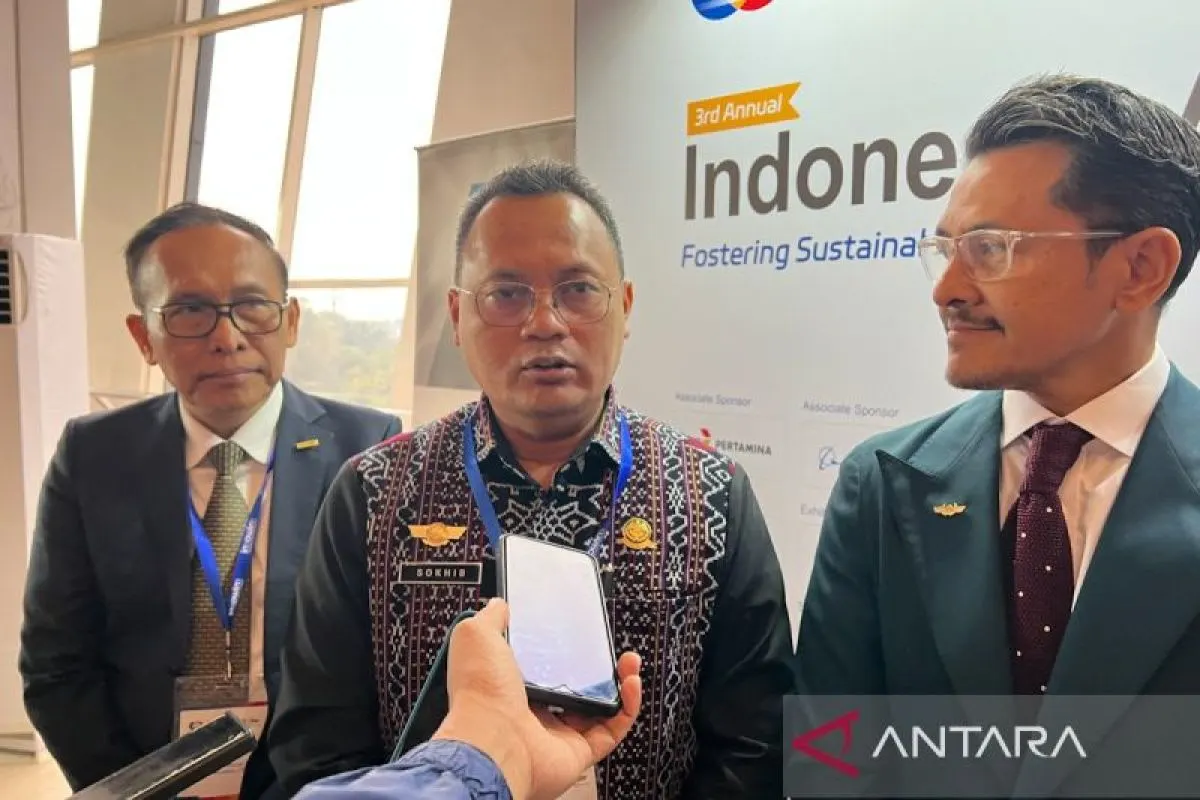
Indonesia will require a 1% Sustainable Aviation Fuel blend on international flights departing from Jakarta and Bali starting in 2027.
Gulfstream G800 Completes 100% SAF High-Altitude Emissions Test
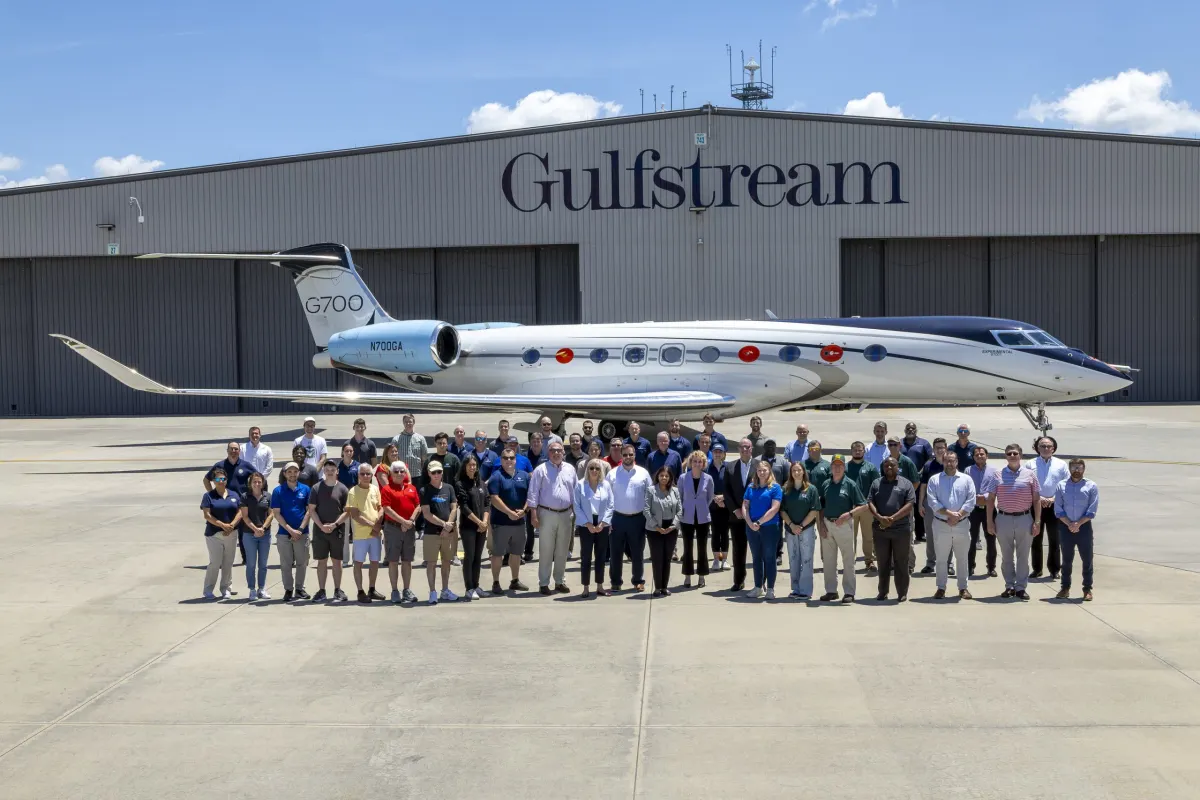
Gulfstream tested 100% SAF on a G800 at 50,000 feet to measure emissions, marking a key step toward certifying unblended synthetic fuels.
LATAM Airlines Operates First SAF-Linked Passenger Charters
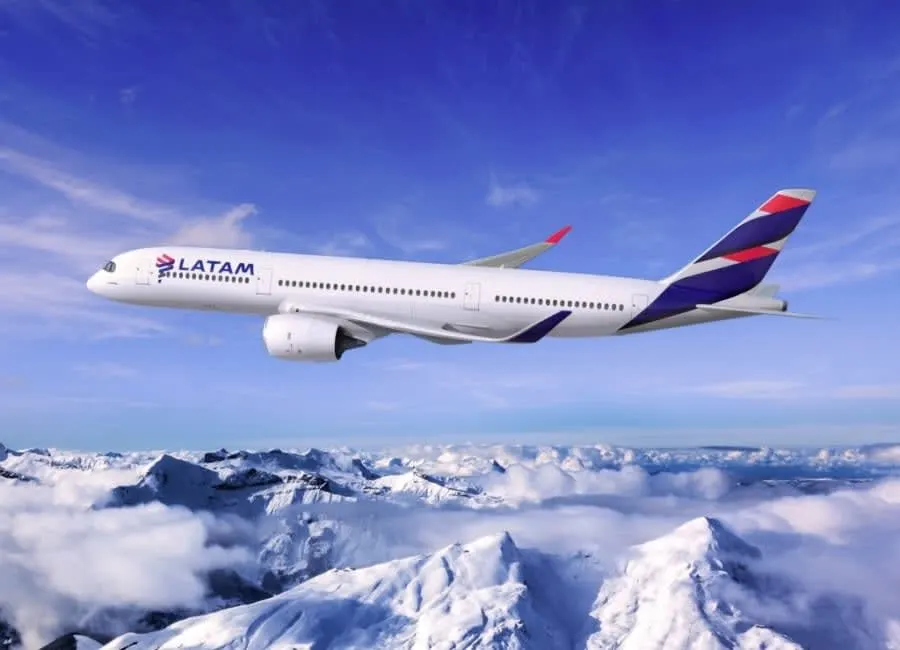
LATAM Airlines Group and PONANT completed 13 charter flights using SAF, reducing 160 tonnes of CO2 emissions via a book-and-claim methodology.