Airbus and Axens Partner to Scale Sustainable Aviation Fuel Production

Co-Founder & CEOAviation News Editor delivering trusted coverage across the global aviation industry.

Airbus and Axens signed an MoU to accelerate Sustainable Aviation Fuel development, aiming to meet aggressive 2050 net-zero emissions targets.
Key Takeaways
- •Partners to accelerate Sustainable Aviation Fuel (SAF) development and commercialization
- •Aims to address the SAF production gap, with 2025 output at only 0.6% of global jet fuel demand
- •Driven by regulatory mandates like ReFuelEU, which requires a 70% SAF blend by 2050
- •Focuses on multiple technologies, including emerging Power-to-Liquid (PtL) e-SAFs
Airbus and technology provider Axens have signed a Memorandum of Understanding (MoU) to accelerate the development and commercialization of Sustainable Aviation Fuel (SAF). The partnership directly addresses the aviation industry's goal of achieving net-zero carbon emissions by 2050, a target that hinges on the rapid scale-up of alternative fuels.
The collaboration aims to combine Airbus's aerospace expertise with Axens' proficiency in renewable fuel technologies. This move comes as the aviation sector faces immense pressure to decarbonize amid a significant gap between SAF supply and demand. According to the International Air Transport Association (IATA), global SAF production is estimated to reach only 1.9 million tonnes in 2025, accounting for just 0.6% of the industry's total jet fuel consumption. This shortfall underscores the urgency for partnerships that can unlock new production capacity and drive down costs.
The Production Challenge and Regulatory Pressure
The primary barrier to widespread SAF adoption is the lack of scalable production infrastructure, which results in significant price premiums. IATA estimates that airlines paid a $2.9 billion premium for SAF in 2025, with prices currently ranging from two to five times that of conventional jet fuel. The organization has warned that SAF production growth is projected to slow, reaching only 2.4 million tonnes in 2026, further highlighting the need for strategic interventions like the Airbus-Axens initiative.
This production challenge is set against a backdrop of increasingly stringent regulations. The European Union's ReFuelEU Aviation Regulation mandates a minimum SAF share of 2% at EU airports in 2025, a figure set to climb aggressively to 70% by 2050. Similarly, the global CORSIA (Carbon Offsetting and Reduction Scheme for International Aviation) program incentivizes SAF use as a primary method for airlines to reduce their carbon offsetting obligations. While these mandates create guaranteed demand, some industry leaders have expressed concern. IATA Director General Willie Walsh recently cautioned that poorly designed mandates have strained a limited supply chain, underscoring the need for technical and commercial partnerships to deliver the required volumes.
Exploring New Fuel Pathways
The Airbus-Axens partnership will investigate a range of technologies to boost SAF supply. While the most mature production pathway is currently HEFA (Hydroprocessed Esters and Fatty Acids), which uses feedstocks like used cooking oil and animal fats, the collaboration will also focus on emerging solutions to avoid feedstock limitations.
A key area of interest is the development of synthetic fuels, or e-SAFs, produced through a Power-to-Liquid (PtL) process. This pathway uses renewable electricity, green hydrogen, and captured carbon dioxide to create a synthetic kerosene. The focus on PtL is strategically aligned with regulatory requirements; the ReFuelEU mandate includes a specific sub-target requiring 1.2% of aviation fuel to be synthetic by 2030, a figure that will increase over time.
An Industry Trend of Vertical Collaboration
This MoU is part of a broader industry trend where aircraft manufacturers are becoming directly involved in the fuel value chain to secure future supply and ensure their decarbonization strategies remain viable. The move is analogous to a previous partnership between Airbus and Neste in November 2022, which also aimed to advance SAF production and led to increased testing of 100% SAF on Airbus aircraft.
Airbus's primary competitor has made similar moves. In July 2022, Boeing partnered with Alder Fuels to scale SAF production using forestry and agricultural waste as feedstock. These precedents demonstrate that OEMs are no longer content to wait for the energy sector to solve the SAF supply problem independently. By partnering directly with technology firms like Axens, manufacturers can influence the development of fuels that are compatible with current and future aircraft fleets and help de-risk the massive investments required for new production facilities.
What Comes Next
The immediate steps for Airbus and Axens will involve technical studies and the development of a commercial roadmap. The partnership will operate with a clear view of upcoming regulatory milestones that will shape the market. According to the European Union, the ReFuelEU mandate will increase to a 6% SAF blend by 2030, including the 1.2% e-SAF sub-mandate. The ultimate objective for the entire aviation industry remains the ICAO and IATA-backed target of achieving net-zero carbon emissions by 2050, with SAF expected to contribute the largest share of emissions reductions.
Why This Matters
This partnership represents a direct effort by a leading aerospace manufacturer to tackle the most significant obstacle to aviation's green transition: the insufficient supply of affordable Sustainable Aviation Fuel. By moving beyond aircraft design and into the fuel supply chain, Airbus is taking a proactive role in shaping the ecosystem required to meet its long-term decarbonization commitments. The success of this collaboration could provide a crucial template for scaling the technologies needed to meet ambitious regulatory deadlines and industry targets.
Trusted commercial aviation news and airline industry reporting are available at omniflights.com. Get the latest updates on major hubs, regional terminals, and airport operations via the Airports section at omniflights.com/airports.
Written by Hardik Vishwakarma
Co-Founder & Aviation News Editor leading initiatives that improve trust and visibility across the global aviation industry. Covers airlines, airports, safety, and emerging technology.
Visit ProfileYou Might Also Like
Discover more aviation news based on similar topics

American Airlines Flies First U.S. eSAF Passenger Flight
American Airlines completed the first U.S. commercial flight using Infinium eSAF, a synthetic fuel that reduces lifecycle emissions by over 90%.
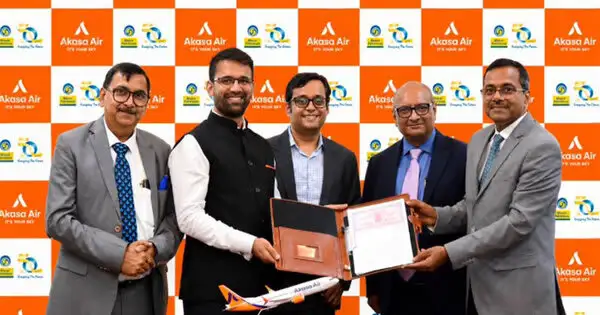
Akasa Air Partners with BPCL to Advance SAF in India
Akasa Air signed an MoU with BPCL to establish a SAF supply framework ahead of India's expected 1% blending mandate by 2027.

Delta, Shell Aviation Ink 5-Year SAF Supply Agreement
Delta Air Lines and Shell Aviation have signed a five-year agreement to supply Sustainable Aviation Fuel across five major U.S. hubs through 2030.
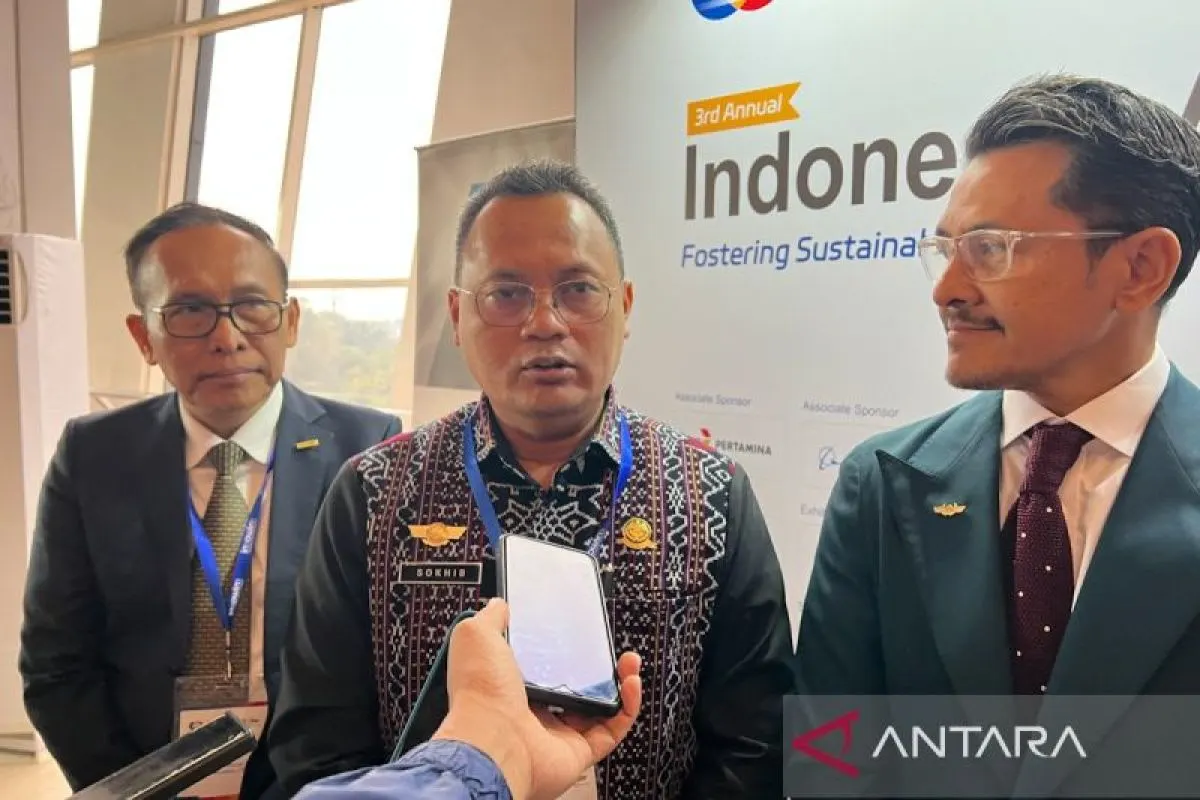
Indonesia to Mandate 1% SAF Blend for Flights by 2027
Indonesia will require a 1% Sustainable Aviation Fuel blend on international flights departing from Jakarta and Bali starting in 2027.
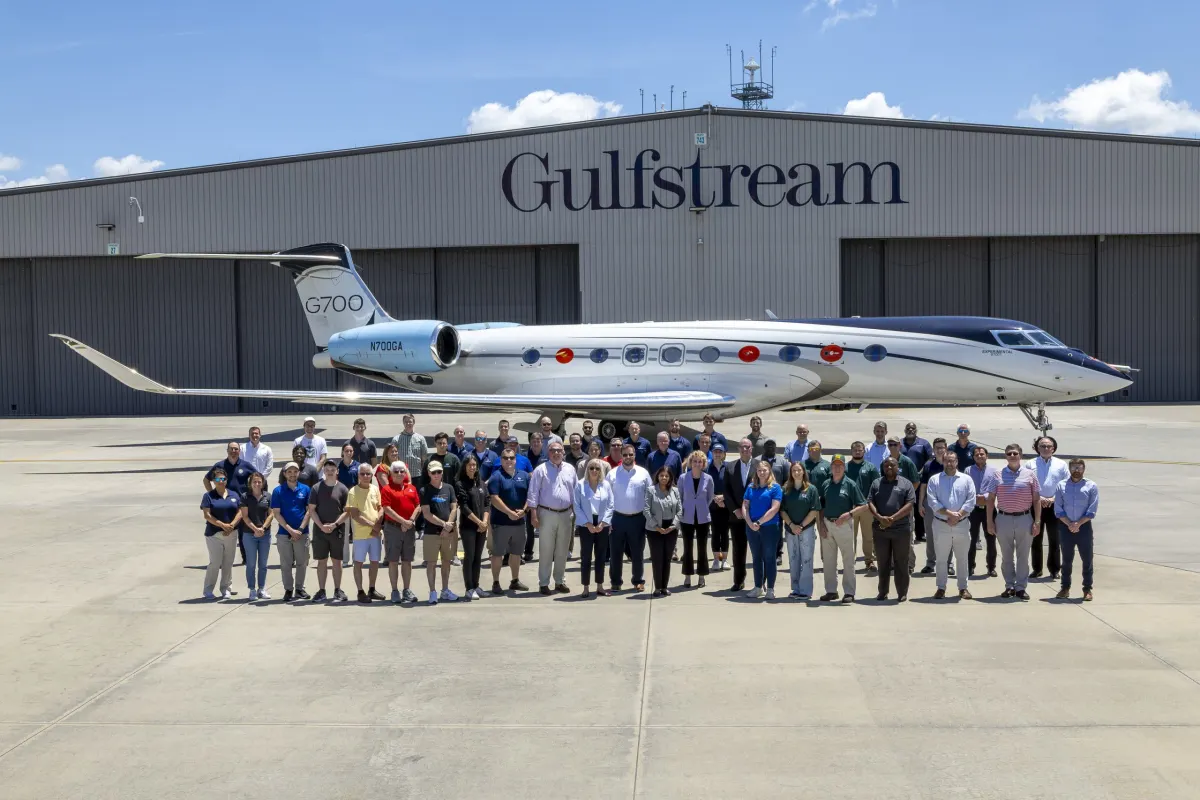
Gulfstream G800 Completes 100% SAF High-Altitude Emissions Test
Gulfstream tested 100% SAF on a G800 at 50,000 feet to measure emissions, marking a key step toward certifying unblended synthetic fuels.
LATAM Airlines Operates First SAF-Linked Passenger Charters
LATAM Airlines Group and PONANT completed 13 charter flights using SAF, reducing 160 tonnes of CO2 emissions via a book-and-claim methodology.