Airbus and Axens Partner to Accelerate SAF Production Scale-Up

Aviation News Editor & Industry AnalystAviation News Editor & Industry Analyst delivering clear coverage for a worldwide audience.

Airbus and Axens signed an MoU to accelerate Sustainable Aviation Fuel deployment, aiming to meet aviation's 2050 net-zero emissions targets.
Key Takeaways
- •Partners to accelerate Sustainable Aviation Fuel (SAF) development and deployment.
- •Leverages Axens' Vegan® technology, capable of producing 100% SAF from renewable feedstock.
- •Aims to support the aviation industry's goal of net-zero carbon emissions by 2050.
- •Includes collaboration on technical pathways, market analysis, and regulatory advocacy.
Aircraft manufacturer Airbus and French energy solutions provider Axens have signed a Memorandum of Understanding (MoU) to accelerate the development and deployment of Sustainable Aviation Fuel (SAF). The agreement, announced on March 10, 2026, establishes a formal collaboration to scale up SAF production, a critical component for the aviation industry's decarbonization strategy.
The partnership directly addresses the primary challenge facing the sector's environmental goals: the limited availability and high cost of SAF. By uniting an original equipment manufacturer (OEM) with a leading technology provider, the collaboration aims to de-risk investment in new production facilities and align technical standards. This initiative is a direct response to the industry's commitment to achieve net-zero carbon emissions by 2050, a target formalized by the International Civil Aviation Organization (ICAO).
A Strategic Partnership for SAF Scale-Up
The MoU outlines several key areas of cooperation. Airbus and Axens will engage in detailed technical discussions on various SAF production pathways, including the dominant Hydroprocessed Esters and Fatty Acids (HEFA) route. The collaboration will also involve joint analysis of regional feedstock availability and the economic viability of new SAF projects worldwide. Furthermore, the partners plan to coordinate their advocacy efforts to promote supportive regulatory frameworks that encourage investment in the SAF supply chain.
This partnership leverages Axens' significant technological expertise. The company recently launched the world's first commercial-scale unit designed to produce 100% SAF in Asia. This facility utilizes Axens' proprietary Vegan® hydroprocessing technology. According to data from S&P Global Commodity Insights, the plant is capable of converting 300,000 metric tons of renewable feedstock, such as used cooking oil and animal fats, into SAF annually. A key innovation of the Vegan® technology is its ability to maximize SAF yield without the co-production of renewable diesel, directly addressing specific aviation market demands.
Technological and Regulatory Drivers
The aviation industry currently accounts for 2-3% of global carbon emissions, according to the ICAO Environment Report. To meet its decarbonization goals, the sector is heavily reliant on the widespread adoption of SAF. The Air Transport Action Group (ATAG) Waypoint 2050 Report projects that SAF will need to contribute between 38% and 58% of the required carbon reductions for aviation to reach its 2050 target.
This transition is supported by an evolving regulatory landscape. The ICAO's Long Term Aspirational Goal (LTAG) provides the global framework for the net-zero objective. In key markets like Europe, mandates are already in place. The European Union's ReFuelEU Aviation regulation requires fuel suppliers to blend increasing volumes of SAF into the jet fuel supplied at EU airports, with the mandate reaching 70% by 2050. These regulations create a guaranteed market for SAF, making collaborations like the one between Airbus and Axens crucial for ensuring supply can meet mandated demand.
Axens' advancements in biofuel production technologies represent a significant step forward. The shift from co-processing facilities to dedicated, 100% SAF plants is an important industry trend. It allows for more efficient production tailored specifically to jet fuel specifications, which is critical for ensuring fuel quality and compatibility with the existing global aircraft fleet. More information on the company's SAF technologies can be found on the Axens official website.
What Comes Next
Following the signing of the MoU, technical teams from both Airbus and Axens will begin work to identify the most promising SAF production pathways and regional opportunities. The partnership is expected to focus initially on mature technologies like HEFA while also exploring emerging pathways such as alcohol-to-jet and e-fuels. Their joint market analysis will likely inform future investment decisions for new biorefineries.
The advocacy component of the agreement will see the two companies jointly engage with governments and regulatory bodies to promote policies that stabilize feedstock supply chains and provide financial incentives for SAF production. The success of this collaboration will be measured by its ability to facilitate final investment decisions on new SAF plants over the coming years, a necessary step to bridge the gap between current production capacity and future demand.
Why This Matters
This agreement marks a significant step in the operationalization of aviation's decarbonization roadmap. It moves beyond aspirational targets by creating a practical, cross-sector partnership aimed at solving the core SAF supply bottleneck. For airlines, this collaboration signals a more robust future supply chain, potentially stabilizing prices and ensuring compliance with upcoming mandates. The move positions both Airbus and Axens as central players in the green transition of the aerospace industry.
Access up-to-date commercial aviation news and airline industry developments via omniflights.com. From aircraft production to supply chains, commercial aviation manufacturing news is covered at omniflights.com/manufacturing.
Written by Ujjwal Sukhwani
Aviation News Editor & Industry Analyst delivering clear coverage for a worldwide audience. Covers flight operations, safety regulations, and market trends with expert analysis.
Visit ProfileYou Might Also Like
Discover more aviation news based on similar topics

American Airlines Flies First U.S. eSAF Passenger Flight
American Airlines completed the first U.S. commercial flight using Infinium eSAF, a synthetic fuel that reduces lifecycle emissions by over 90%.
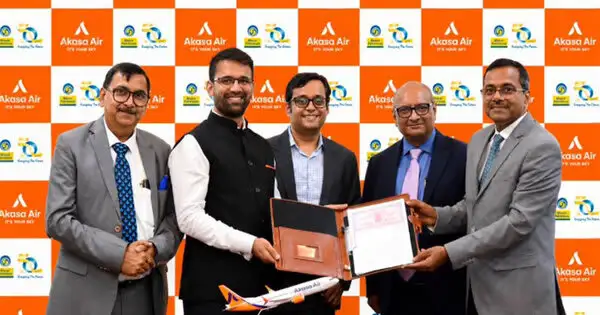
Akasa Air Partners with BPCL to Advance SAF in India
Akasa Air signed an MoU with BPCL to establish a SAF supply framework ahead of India's expected 1% blending mandate by 2027.

Delta, Shell Aviation Ink 5-Year SAF Supply Agreement
Delta Air Lines and Shell Aviation have signed a five-year agreement to supply Sustainable Aviation Fuel across five major U.S. hubs through 2030.
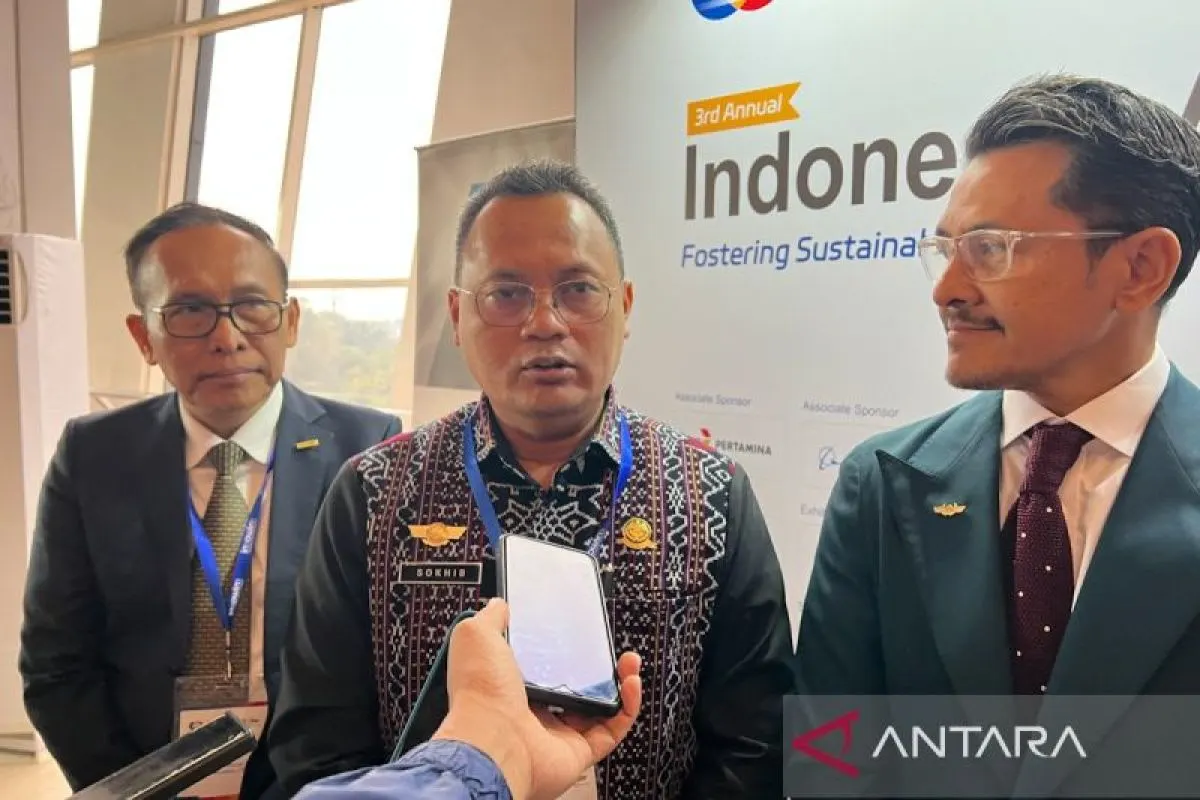
Indonesia to Mandate 1% SAF Blend for Flights by 2027
Indonesia will require a 1% Sustainable Aviation Fuel blend on international flights departing from Jakarta and Bali starting in 2027.
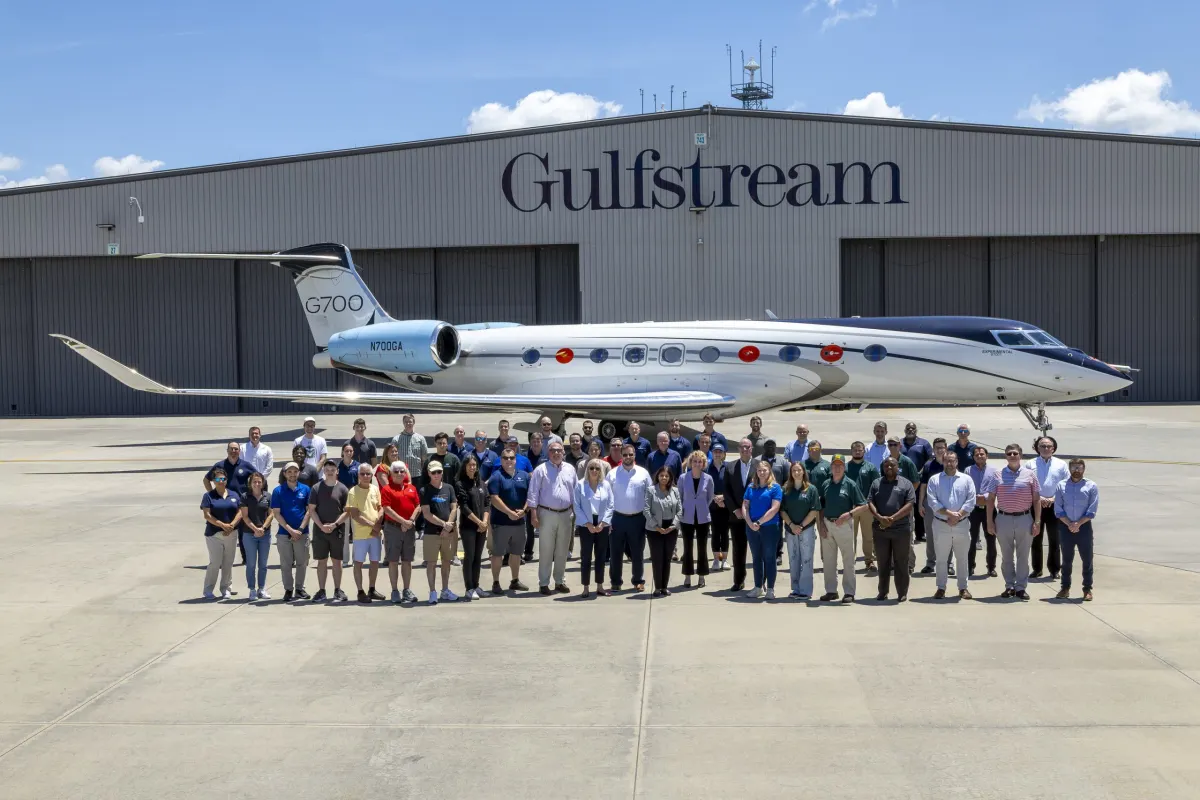
Gulfstream G800 Completes 100% SAF High-Altitude Emissions Test
Gulfstream tested 100% SAF on a G800 at 50,000 feet to measure emissions, marking a key step toward certifying unblended synthetic fuels.
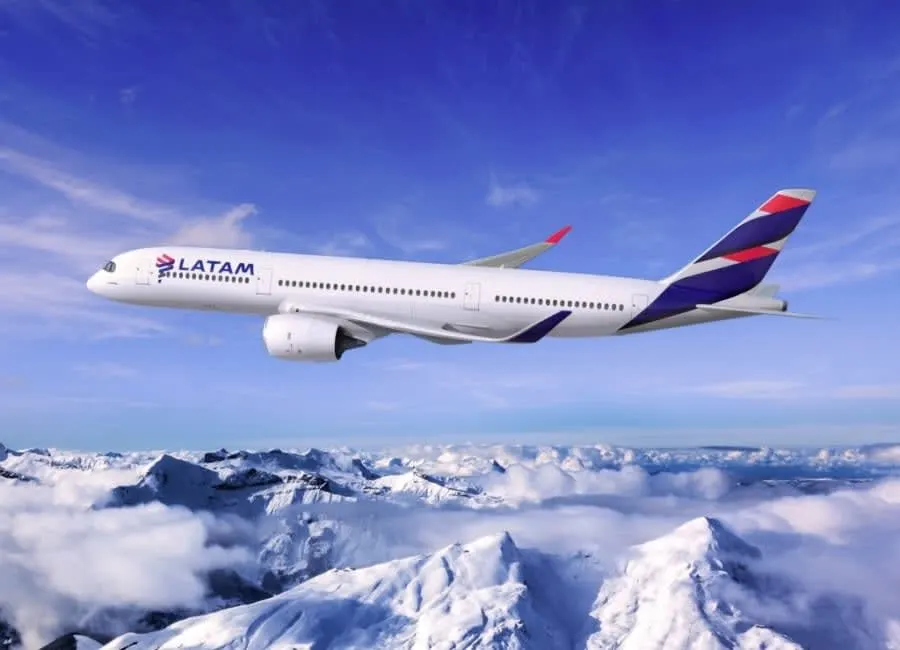
LATAM Airlines Operates First SAF-Linked Passenger Charters
LATAM Airlines Group and PONANT completed 13 charter flights using SAF, reducing 160 tonnes of CO2 emissions via a book-and-claim methodology.