Air India Maintains West Asia Flights as Dubai Restricts Carriers

Co-Founder & CEOAviation News Editor delivering trusted coverage across the global aviation industry.
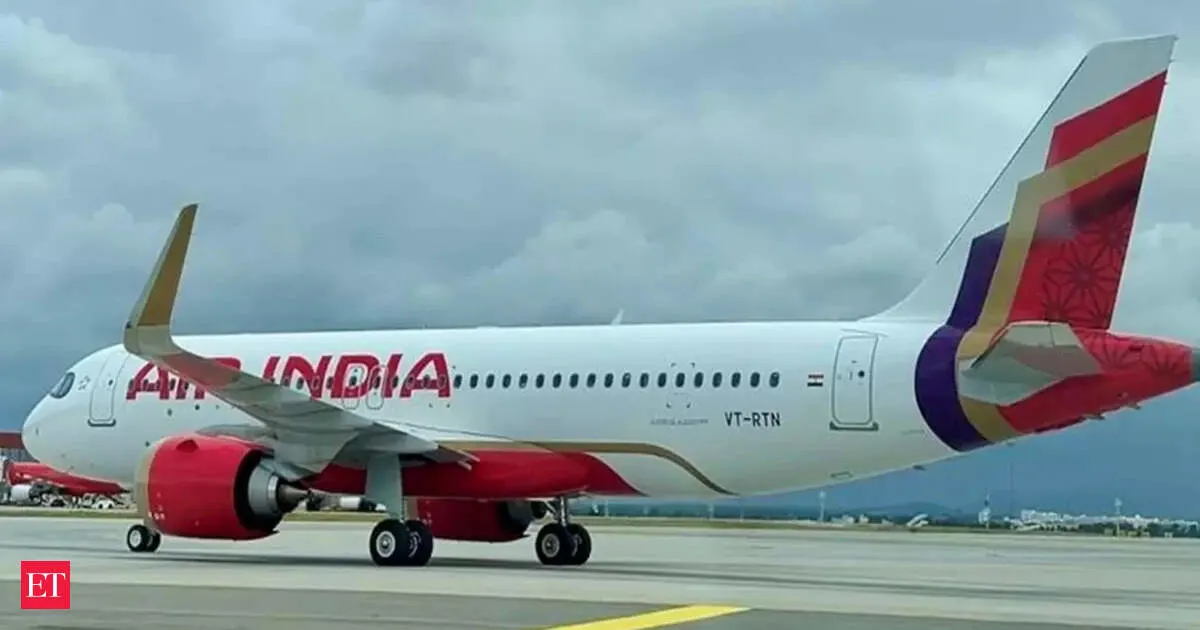
Air India Group maintains 44 West Asia flights as Dubai Airport suspends landings for foreign carriers, forcing IndiGo and SpiceJet to halt services.
Key Takeaways
- •Operates 44 combined flights to West Asia via Air India and Air India Express.
- •Halts Dubai services by IndiGo and SpiceJet due to airport landing restrictions.
- •Deploys 24 additional non-scheduled flights to repatriate stranded passengers.
- •Highlights vulnerability of the India-Gulf air corridor to geopolitical conflict.
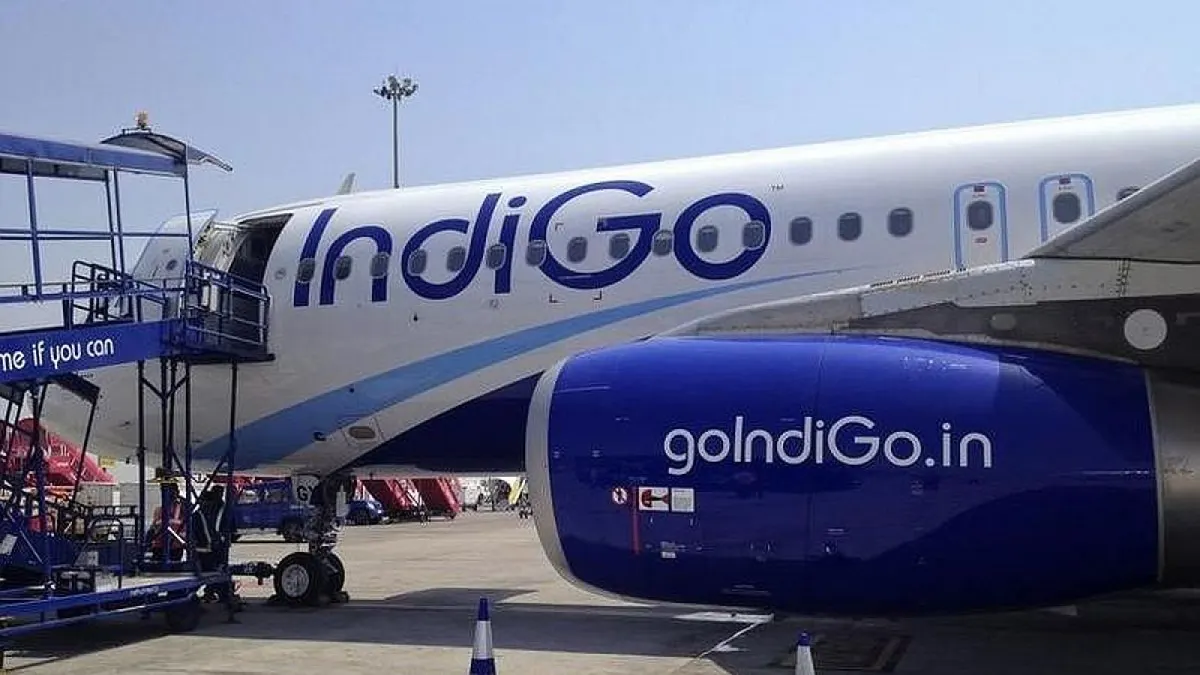
Amid escalating regional conflict, Dubai International Airport (DXB) has suspended landing permissions for foreign carriers, significantly disrupting travel on the critical India-Gulf corridor. In response, Indian carriers IndiGo and SpiceJet have halted services to the hub. Meanwhile, Air India (AI) and its low-cost subsidiary Air India Express (IX) are maintaining their schedules, operating a combined 44 flights to West Asia on March 17, 2026, and deploying additional non-scheduled services.
The decision by Dubai authorities has created a divergent situation for Indian airlines. While IndiGo and SpiceJet were forced to cancel flights, citing the directive from DXB, the Air India Group is leveraging its position to manage the disruption. According to a statement from Air India, the group is also planning an additional 24 non-scheduled flights to the United Arab Emirates and Saudi Arabia. These operations, which require clearance from India's Directorate General of Civil Aviation (DGCA) and local Gulf authorities, are intended to repatriate stranded passengers and accommodate pent-up demand.
Operational and Passenger Impact
The immediate impact is most severe for passengers, particularly Indian expatriate workers who rely heavily on low-cost options for travel between the two regions. The suspension of services by major players like IndiGo and SpiceJet removes significant capacity from the market, leading to travel uncertainty and likely fare increases on remaining available flights. For the affected airlines, the halt represents a loss of revenue on highly profitable Gulf routes.
Conversely, Air India Group appears positioned for a short-term strategic advantage. By maintaining connectivity, the national carrier can absorb demand displaced from its competitors and build brand goodwill. Official statements from the airlines highlight the regulatory nature of the disruption. IndiGo and SpiceJet directly attributed their flight suspensions to the landing permission restrictions imposed by Dubai Airport authorities, which fall under the purview of the UAE's General Civil Aviation Authority (GCAA). Air India, in contrast, emphasized its close coordination with both Indian and local regulators to secure the necessary approvals for its continued operations, including the additional non-scheduled flights.
Context and Historical Precedent
This is not the first instance of DXB restricting foreign carrier operations during a crisis. A similar pattern emerged during the April 2024 Dubai Floods, when the airport temporarily limited arriving flights to manage severe ground congestion, prioritizing home carriers. The outcome then, as now, was to stabilize airport operations at the expense of foreign airline schedules. This historical precedent suggests that DXB employs foreign carrier restrictions as a standard tool for capacity management during emergencies.
The current situation also mirrors the airspace closures seen during the January 2020 US-Iran Escalation. That conflict prompted the U.S. Federal Aviation Administration to issue NOTAMs prohibiting civil aviation over parts of the region, leading to widespread flight suspensions by global airlines. These events underscore the persistent vulnerability of Middle Eastern airspace to geopolitical instability, forcing airlines to build contingency plans for sudden route closures.
Technical Analysis
This development indicates a recurring operational challenge for foreign carriers operating into major Gulf hubs. The pattern of home carrier prioritization during crises at DXB, seen both during the 2024 floods and the current conflict, creates a significant competitive imbalance. While presented as a necessary measure for operational safety and capacity management, it effectively shields home carriers from the full impact of the disruption. The deployment of 24 non-scheduled flights by Air India is a classic national carrier response, fulfilling a quasi-governmental role in passenger repatriation. This strategy, while operationally complex and requiring swift regulatory approval from bodies like the DGCA, allows the airline to demonstrate reliability and capture market share when competitors are grounded. The event accelerates the trend of airlines needing robust geopolitical risk assessment and flexible fleet deployment strategies to navigate volatile operating environments.
What Comes Next
The timeline for a return to normal operations remains uncertain and is contingent on regional de-escalation. The resumption of landing permissions for foreign carriers at DXB is expected once the situation stabilizes, though Dubai Airports and the GCAA have not provided a specific timeframe. In the interim, Air India and the DGCA have confirmed the plan to operate the 24 non-scheduled flights, with completion expected by late March 2026. Passengers with bookings on suspended IndiGo and SpiceJet services must await further guidance from those airlines regarding refunds or rebooking options once permissions are restored.
Why This Matters
This disruption highlights the profound vulnerability of the India-Gulf aviation corridor, a vital economic link for trade and labor, to regional geopolitics. The event serves as a critical case study in crisis management, demonstrating the strategic advantage held by national carriers that can navigate complex regulatory environments to maintain connectivity. For foreign airlines, it underscores the inherent risks of relying on hubs in volatile regions where operational priority may be given to home carriers.
From airline operations to fleet updates, commercial aviation news lives at omniflights.com. For reporting on UAP sightings, investigations, and aviation-related encounters, see the UAPs section at omniflights.com/uaps.
Written by Hardik Vishwakarma
Co-Founder & Aviation News Editor leading initiatives that improve trust and visibility across the global aviation industry. Covers airlines, airports, safety, and emerging technology.
Visit ProfileYou Might Also Like
Discover more aviation news based on similar topics
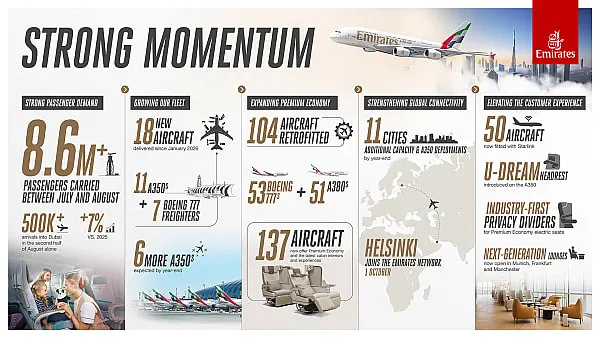
Emirates Winter Booking Momentum Grows Amid Fleet Expansion
Emirates carried 8.6 million passengers this summer and enters winter with strong demand as it accelerates fleet retrofits and network growth.
Air Arabia Consortium Gains AOC for New Dammam Budget Airline
A Saudi GACA-led consortium including Air Arabia has secured an AOC to launch a new budget airline based at Dammam's King Fahd International Airport.

Turkish Airlines Exits Luanda as Angola Hub Struggles
Turkish Airlines dropped its Luanda route as Angola's new airport struggles to attract traffic, handling only 756,028 passengers in 2025.

Red Sea Airlines Leases Two 737 MAX 8s for 2027 Expansion
Red Sea Airlines signed a lease for two Boeing 737 MAX 8 aircraft from SMBC Aviation Capital, arriving in 2027 to support its 14-aircraft fleet goal.
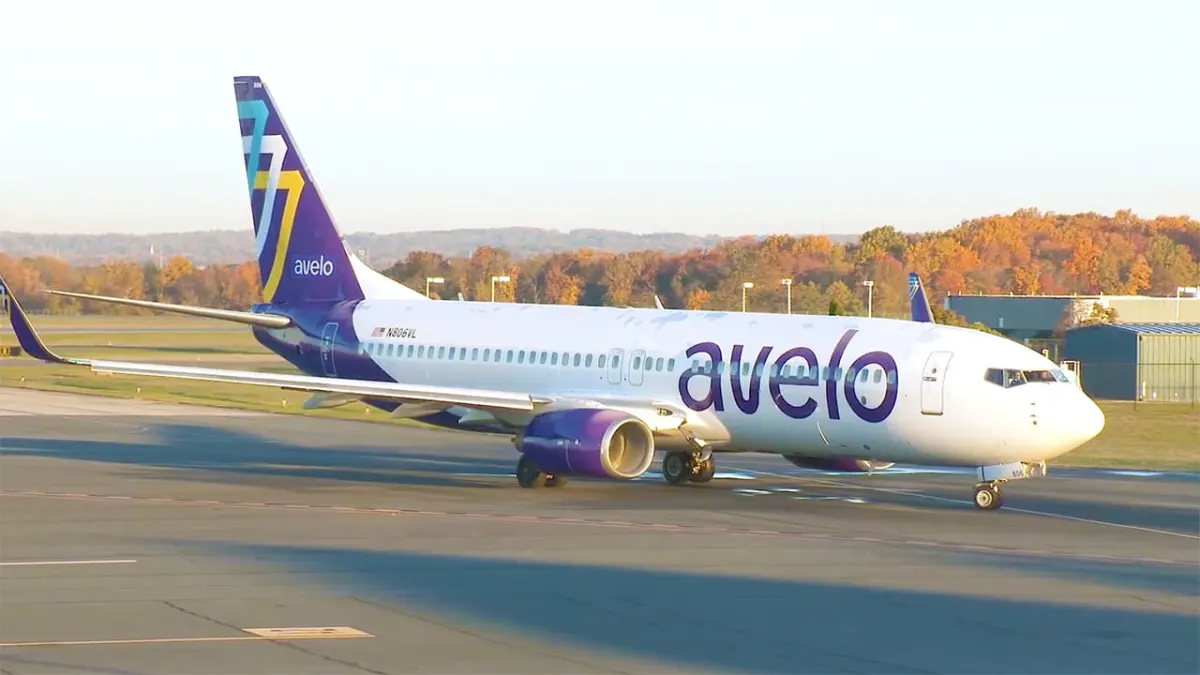
Avelo CEO Warns Airfares May Rise on Jet Fuel Price Spikes
Avelo Airlines CEO Andrew Levy warns that rising fuel costs may force fare increases as global jet fuel prices reach $171.01 per barrel.
IndiGo, Air India Battle for Mumbai-Delhi Route Dominance
IndiGo and the Air India group are competing for dominance on the Mumbai-Delhi air route, which saw 13.9 percent capacity growth this September.