Air India Adds 36 Flights to Europe, North America Amid Mideast Crisis

Co-Founder & CEOAviation News Editor delivering trusted coverage across the global aviation industry.
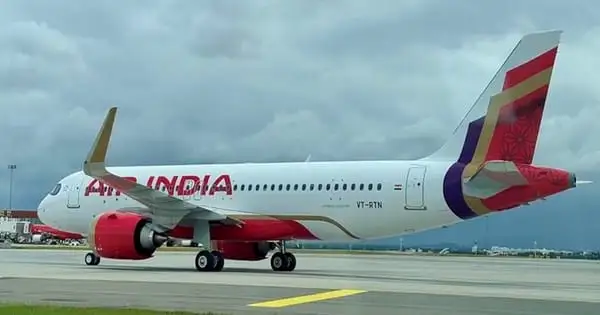
Air India is adding 36 flights to Europe and North America to meet high demand caused by ongoing airspace restrictions over West Asia.
Key Takeaways
- •Adds 36 extra flights to Europe and North America from March 19-28, 2026.
- •Provides 10,012 additional seats to meet demand from West Asia disruptions.
- •Operates under relaxed flight duty rules from the DGCA to manage longer routes.
- •Follows 78 additional flights operated earlier in March for similar reasons.
In response to heightened demand for international travel following significant geopolitical instability in West Asia, Air India has announced a substantial, short-term capacity increase on key routes to Europe and North America. The airline will operate 36 additional flights between March 19 and 28, 2026, adding a total of 10,012 seats to its network.
This capacity augmentation is a direct reaction to widespread airspace restrictions and flight diversions caused by the escalating conflict in the Middle East. The additional services aim to provide more options for travelers facing limited choices. The move follows a recent expansion where Air India operated 78 extra flights on nine routes between March 10 and 18, underscoring the sustained pressure on international carriers to adapt to the volatile situation.
Route-Specific Enhancements
The 36 additional flights will serve five high-demand, long-haul routes. These include services between Delhi (DEL) and London-Heathrow (LHR), Mumbai (BOM) and London-Heathrow, Delhi and Frankfurt (FRA), Delhi and Zurich (ZRH), and Delhi and Toronto (YYZ). According to an official release from Air India, this measure is designed to directly address the capacity crunch resulting from other carriers canceling or rerouting flights away from the conflict zone. In a related move, on March 16, the Air India group, including Air India Express, operated 48 scheduled and non-scheduled flights to and from the West Asia region to accommodate passenger needs.
Geopolitical Context and Operational Challenges
The airline's network adjustments are occurring against a backdrop of severe regional conflict. Tensions escalated following joint military strikes by the U.S. and Israel on February 28, 2026, which resulted in the death of Iran's Supreme Leader, Ayatollah Ali Khamenei. Subsequent retaliatory actions by Iran, including targeting U.S. assets and disrupting shipping through the Strait of Hormuz, have created significant logistical and security challenges for global aviation and supply chains.
The situation was further intensified by overnight airstrikes in Tehran confirmed by Israeli Defence Minister Israel Katz, which eliminated Ali Larijani, Iranian Secretary of the Supreme National Security Council, and Gholamreza Soleimani, commander of Iran's Basij paramilitary force. These events have effectively made large swathes of airspace in the region unusable for commercial traffic, forcing airlines to plot significantly longer, alternative routes.
To manage these extended flight times, Air India is operating under special regulatory conditions. India's Directorate General of Civil Aviation (DGCA) has granted a temporary relaxation of Flight Duty Time Limitations (FDTL) for crews. This waiver is critical for enabling the airline to operate longer sectors to Europe and North America that bypass the Middle East conflict zone without requiring additional technical stops or crew changes, which would be prohibitively complex to arrange on short notice.
Industry Precedents and Stakeholder Impact
This type of rapid operational pivot is not without precedent. The industry faced similar challenges following the full closure of Ukrainian airspace in February 2022 and Pakistani airspace in February 2019. In both instances, airlines, particularly those flying between Europe and Asia, were forced to implement extensive rerouting, leading to longer flight times and increased fuel consumption. Air India's current strategy of deploying ad-hoc capacity reflects lessons learned from these past events.
The immediate impact on stakeholders is varied. For Air India passengers, the added flights provide crucial connectivity at a time of constrained global capacity. However, for Air India flight crews, the FDTL relaxation means operating longer and more demanding duty periods. The broader disruption affects global airlines and freight operators, who face increased operational costs from longer flight paths and potential jet fuel price volatility linked to instability in the Strait of Hormuz.
What Comes Next
According to Air India, the program of 36 additional flights is a temporary measure scheduled to conclude on March 28, 2026. The airline has not indicated whether further extensions are planned, which will likely depend on the evolution of the security situation and airspace availability in West Asia. The industry will continue to monitor the geopolitical landscape, as sustained disruptions could necessitate more permanent network and schedule adjustments.
Why This Matters
Air India's capacity increase highlights the direct link between geopolitical stability and global aviation network integrity. It demonstrates an airline's ability to react with agility to sudden airspace closures by leveraging its fleet and securing necessary regulatory support. For the wider industry, this situation underscores the persistent vulnerability of long-haul routes to regional conflicts and the operational and financial resilience required to maintain global connectivity.
Get breaking commercial aviation news and expert airline analysis at omniflights.com. From aircraft production to supply chains, commercial aviation manufacturing news is covered at omniflights.com/manufacturing.
Written by Hardik Vishwakarma
Co-Founder & Aviation News Editor leading initiatives that improve trust and visibility across the global aviation industry. Covers airlines, airports, safety, and emerging technology.
Visit ProfileYou Might Also Like
Discover more aviation news based on similar topics
Emirates Winter Booking Momentum Grows Amid Fleet Expansion
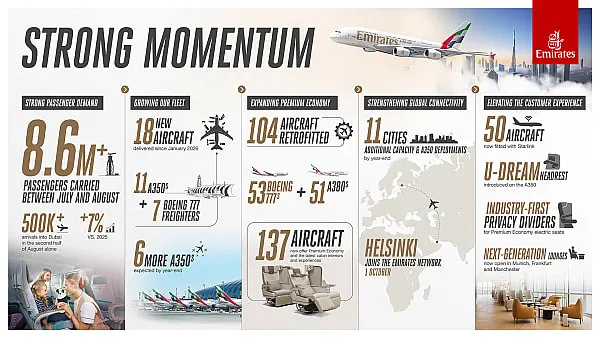
Emirates carried 8.6 million passengers this summer and enters winter with strong demand as it accelerates fleet retrofits and network growth.
Air Arabia Consortium Gains AOC for New Dammam Budget Airline
A Saudi GACA-led consortium including Air Arabia has secured an AOC to launch a new budget airline based at Dammam's King Fahd International Airport.
Turkish Airlines Exits Luanda as Angola Hub Struggles
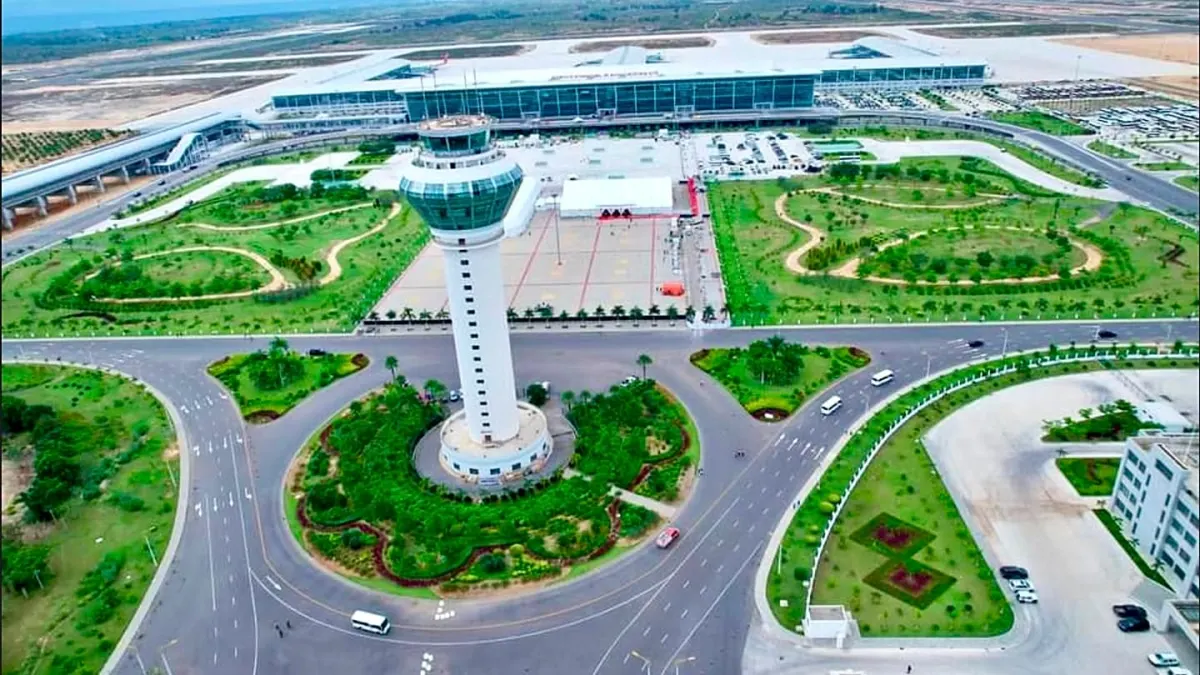
Turkish Airlines dropped its Luanda route as Angola's new airport struggles to attract traffic, handling only 756,028 passengers in 2025.

Red Sea Airlines Leases Two 737 MAX 8s for 2027 Expansion
Red Sea Airlines signed a lease for two Boeing 737 MAX 8 aircraft from SMBC Aviation Capital, arriving in 2027 to support its 14-aircraft fleet goal.
Avelo CEO Warns Airfares May Rise on Jet Fuel Price Spikes
Avelo Airlines CEO Andrew Levy warns that rising fuel costs may force fare increases as global jet fuel prices reach $171.01 per barrel.
IndiGo, Air India Battle for Mumbai-Delhi Route Dominance
IndiGo and the Air India group are competing for dominance on the Mumbai-Delhi air route, which saw 13.9 percent capacity growth this September.